What Happens to Randoseru After Graduation?
 Contents
- A remake option spreading in Japan
- Why randoseru are well suited for remaking
- Furniture remade by Ikedaya Randoseru
- A hands-on remake experience
- The values Ikedaya Randoseru holds dear
In many countries, school backpacks are usually thrown away once they are no longer needed. The same is true for randoseru in Japan, and many are disposed of as bulky waste after elementary school graduation.
In recent years, however, more people have begun to wish to keep their randoseru in a different form after graduation. The reasons include the structural characteristics of randoseru and the emotional attachment formed by using the same bag for six years.
Why Randoseru Are Well Suited for Remaking After Graduation
Compared with nylon school backpacks, randoseru made from cowhide or artificial leather have a solid structure and durable materials. Because of this, they can be remade into a wide variety of items.
In Japan, children generally use the same randoseru throughout all six years of elementary school. As a bag carried every day to and from school, it becomes meaningful not only to the child, but also to the family. For this reason, many people feel it is difficult to simply dispose of a randoseru after graduation. Among such people, remaking randoseru has attracted growing attention as an alternative.
Furniture Remade from Randoseru by Ikedaya Randoseru
Ikedaya Randoseru is a brand that values Japanese randoseru culture while proposing new ways to use randoseru after graduation. One of these initiatives is a program that remakes randoseru into furniture.

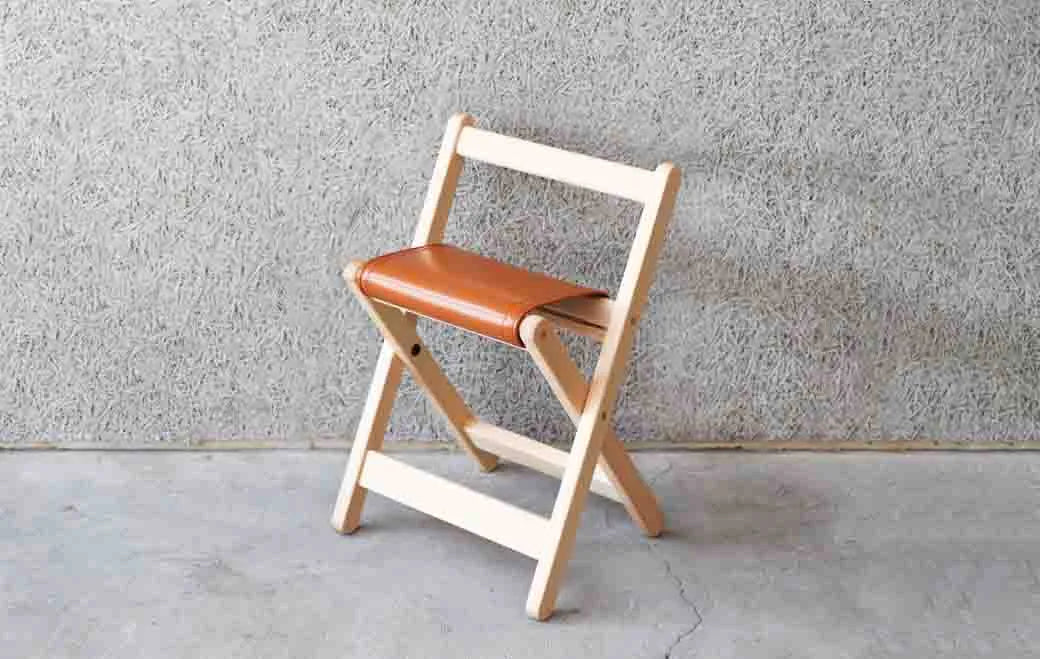
Ikedaya Randoseru works in collaboration with HINOKI CRAFT, a furniture maker based in Shizuoka, to remake randoseru into items such as chairs and clocks. The wood used for the chairs is high-quality Japanese wood.

After a used randoseru is entrusted to skilled craftsmen, it is transformed into the selected piece of furniture and delivered to the customer’s home a few months later. The key feature of this program is that a randoseru filled with memories can continue to be used in everyday life.
A Hands-On Randoseru Remake Experience After Graduation
In addition to receiving finished items, Ikedaya Randoseru also offers an experiential program in which children carry out the work themselves. This program is open to students from the first year of junior high school and above.


The program is held at PICA Yamanakako, a campsite located by Lake Yamanaka at the foot of Mount Fuji. Surrounded by nature, participants remove the flap from their own randoseru and experience the process of using it as the seat surface of a chair.
On the day of the program, craftsmen from HINOKI CRAFT provide direct instruction on chair making. By disassembling the randoseru they used for six years and remaking it into a different form, participants learn about bag construction and craftsmanship through hands-on experience.

The Values Ikedaya Randoseru Holds Dear
Ikedaya Randoseru does not aim solely to sell randoseru. The brand also places importance on nurturing a child’s respect for belongings and their ability to think independently through randoseru.
As part of this approach, Ikedaya Randoseru has held experiential programs like this on an occasional basis, valuing communication with customers. Rather than simply disposing of randoseru after graduation, these efforts connect them to a new form. In doing so, they give randoseru a new role after graduation and pass on a uniquely Japanese randoseru culture to the next generation.