Hari-Kuyo and Randoseru: The Japanese Spirit of Cherishing Our Tools
In Japan, December 8th marks a special occasion known as Hari-Kuyo (the Festival of Broken Needles). On this day, people across the country bring their worn, broken, or rusted sewing needles to shrines and temples to lay them to rest and offer thanks for their years of service.
This custom of showing gratitude towards tools symbolizes a deep-rooted Japanese belief: that the tools which support our daily lives deserve our respect. As a nation renowned for craftsmanship, Hari-Kuyo beautifully reflects the artisan spirit of sincerity and care.
Hari-Kuyo: A Tradition Rooted in Japanese Craftsmanship

Hari-Kuyo is a memorial ceremony where tailors, dressmakers, and sewing enthusiasts show their appreciation for used needles.
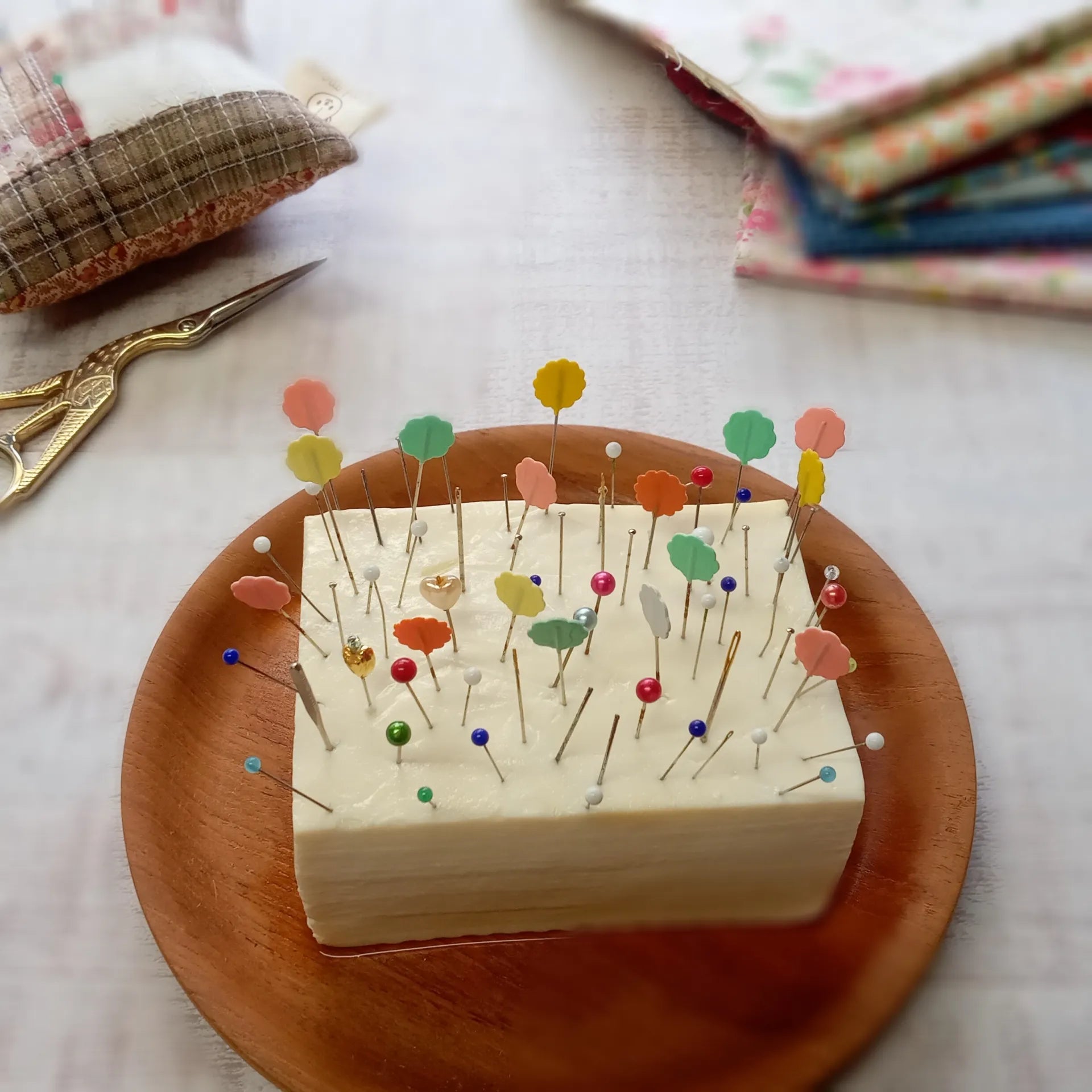
One of the most unique and heartwarming aspects of this ceremony is how the needles are laid to rest. Instead of simply being discarded, they are gently placed into a block of soft tofu or konnyaku (yam cake), symbolizing a gentle resting place at the end of their service.
This gesture carries a heartfelt meaning: "You have worked hard piercing through tough fabrics for so long; now, please rest in something soft."
Many people visit well-known sites such as Senso-ji Temple in Tokyo or Hari-Jinja Shrine in Kyoto to make their offerings. This culture of expressing gratitude to even the smallest tools reflects the uniquely Japanese belief that "tools possess a spirit."
The Spirit of Cherishing Tools Lives on in the Randoseru

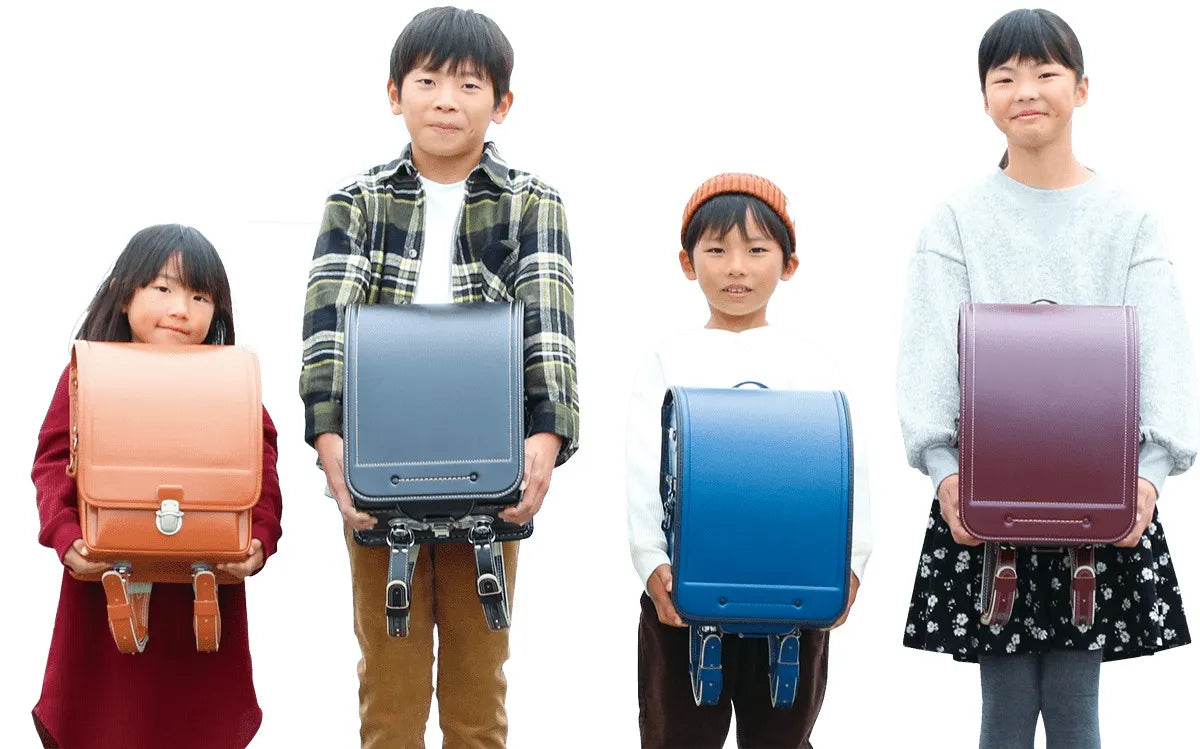
This mindset of treasuring everyday objects extends beyond needles. It can also be seen in the randoseru, the iconic backpack carried by Japanese elementary school students.
A randoseru is more than just a schoolbag; it is a companion that accompanies a child through six years of growth. Because of this, rather than replacing the randoseru when it breaks, it is customary to repair it and continue using it with care.
At Ikedaya Randoseru, we offer a "6-Year Free Repair Warranty" to support this tradition. Our warranty is known as one of the most comprehensive in the Japanese randoseru industry. This isn't just because the backpacks are valuable items, but because we want to honor the tools that children use and rely on in their daily lives.
Although our repair service is currently available only within Japan, we hope that through Ikedaya's Randoseru, you can experience a small part of Japan’s culture of cherishing everyday tools.
▼ Shop for International Shipping↓
Randoseru (Ikedaya Original) No.1 WATERPROOF COWHIDE:https://ikedaya-global.com/products/randoseru-ikedaya-original-no-1-waterproof-cowhide