Transforming Memories —The Japanese Culture of Remaking Randoseru

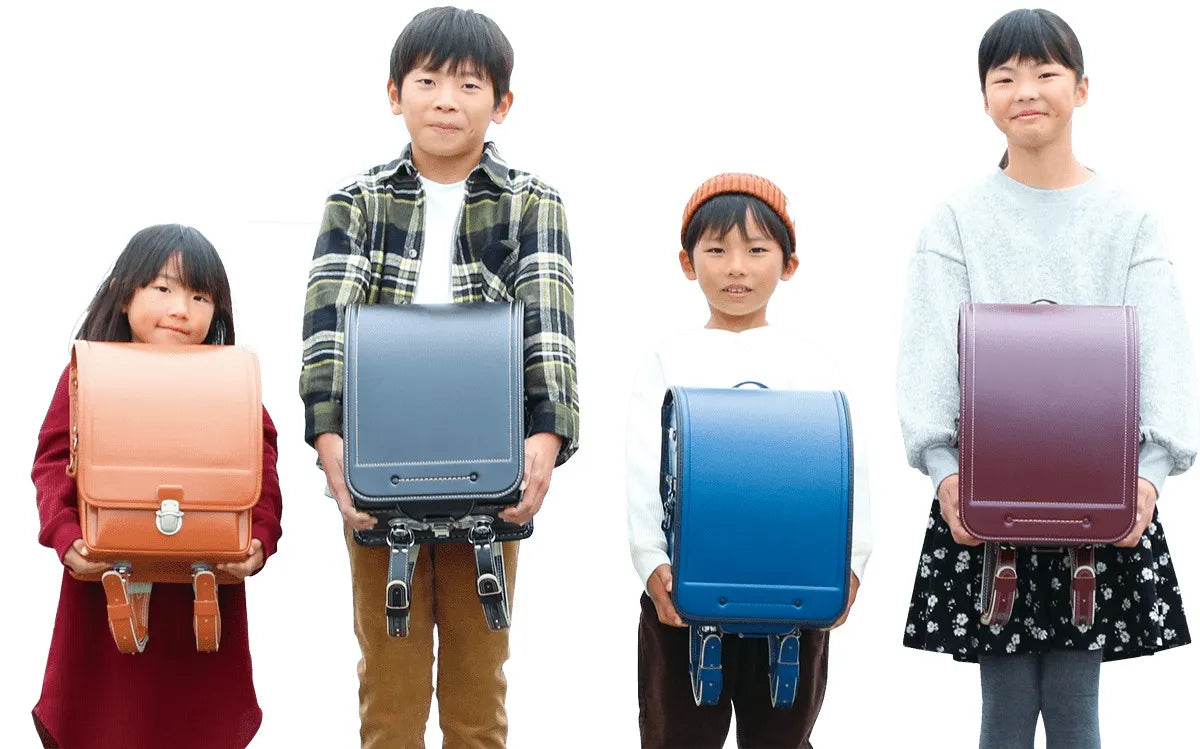
In Japan, the sturdy, box-shaped school backpack used by children throughout their six years of elementary school is called a randoseru. After graduation, many families choose to “remake” their child’s randoseru. This process is not simply a repair; rather, it transforms the backpack, filled with six years of memories, into a new form. For example, a used randoseru can be turned into a small keepsake or even a piece of furniture, serving as a symbol of the child’s growth.
Durability for Six Years and Ikedaya’s Repair Support

In Japan, children typically start elementary school with a randoseru and use the same one until graduation. Because of this, randoseru are built to be exceptionally durable. Ikedaya randoseru, in particular, are renowned for combining lightness with robustness and for offering excellent aftercare, including free repairs if the bag is damaged. Many randoseru therefore remain in relatively good condition even after six years of use. For many families, throwing away such a meaningful item feels wasteful, so remaking them into something new has become a heartfelt way to preserve those memories.
Why Randoseru Are Not Used After Elementary School
Some might wonder, “If they are still in good condition, why not keep using them?” In Japan, a randoseru is strongly associated with elementary school, and very few people use it in junior high or beyond. Additionally, middle school students often carry more items—textbooks, club equipment, and other belongings—that exceed the capacity of a randoseru. While the backpacks are designed to last six years, and some can last even longer with careful use, their primary purpose ends at graduation. Some families pass them down to younger relatives or friends, but many choose to keep them as a tangible memory of their child’s growth. As a result, remake services have become increasingly popular.
Ikedaya’s Collaboration with a Shizuoka Furniture Manufacturer
Ikedaya works with a local furniture maker in Shizuoka to create remake items combining randoseru leather with natural wood, including chairs and clocks.

Materials from a backpack used for six years are reborn into items that fit naturally into daily life. Each piece is handcrafted by skilled artisans, bringing out the unique character of the materials and creating warm, one-of-a-kind creations.


The Japanese Spirit of Cherishing Things
Ikedaya’s repair and remake services highlight more than just functionality—they reflect a Japanese cultural value of cherishing possessions. A randoseru is more than a bag; it is a companion that has witnessed a child’s growth. Transforming it into a new item ensures that it remains close to the family, serving as a beautiful example of contemporary Japanese craftsmanship and the philosophy of valuing what we hold dear.