Japanese Elementary School Graduation Guide: Outfits and the Randoseru’s Final Day
In Japan, elementary school graduation ceremonies are held around March. Walking through town, you might spot families carrying bouquets and children dressed a little more formally than usual. A graduation ceremony is a school event, but it also feels like a small cultural milestone—one of those moments that quietly marks the passage of time.
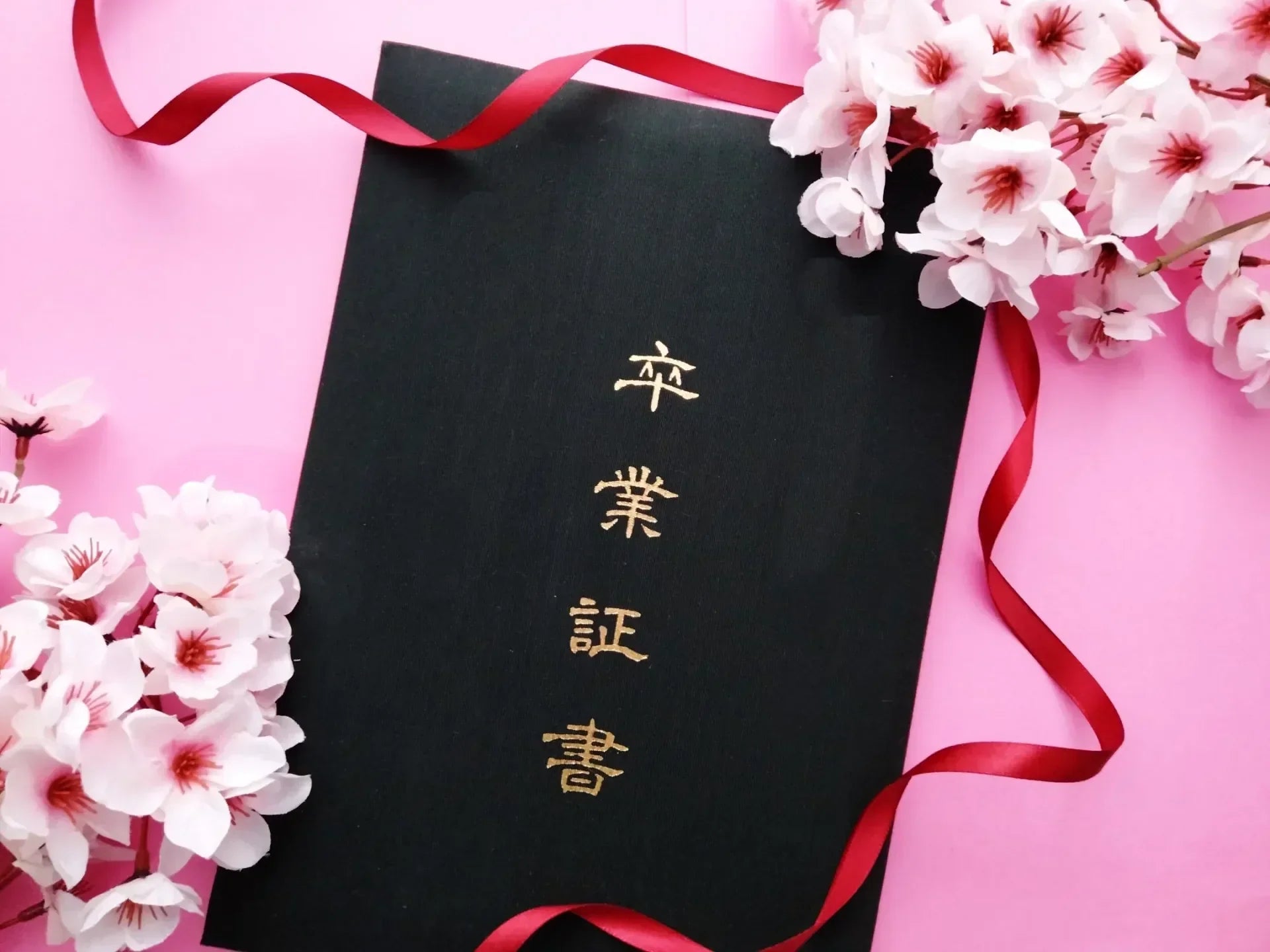
What is an elementary school graduation ceremony like? In many schools, the ceremony takes place in the school gym. One of the most memorable parts is the presentation of graduation certificates. Each student’s name is called, and they step up to the stage to receive their certificate from the principal.
Being the center of attention in a room full of people can be nerve-racking for children. For parents, it can be one of the clearest moments to feel how much their child has grown.
What do children wear to a Japanese graduation ceremony?
On graduation day, many children wear outfits that feel more “dressy” than everyday school clothes. Girls often wear a dress with a jacket, while boys may wear a blazer with a shirt and tie.
If a school doesn’t have uniforms, there may not be strict rules about what to wear. Even so, many families treat the day as a special occasion—and parents and relatives may dress a bit more neatly as well.
Choosing a kimono and hakama In recent years, more girls have chosen to wear a hakama for graduation. A hakama is a traditional garment worn from the waist down, typically paired with a kimono.
The kimono-and-hakama style is also known as an outfit once associated with female students in modern Japan. Today, however, it’s usually chosen less for its historical meaning and more because it feels like a “once-in-a-lifetime” look. Since it isn’t something people wear day to day, many families rent the outfit for the ceremony.
Taking the Randoseru to the Ceremony: Traditions and Photos
A randoseru is the sturdy school backpack used by Japanese elementary school children for six years. On graduation day, many children don’t wear their randoseru. There are usually no textbooks to carry, and being hands-free makes it easier to take part in the ceremony.
That said, some children bring their randoseru on purpose. They return to the same spot where they took a commemorative photo at the entrance ceremony six years earlier, and take another photo—this time at graduation—to capture how much has changed.
That said, some children bring their randoseru on purpose. They return to the same spot where they took a commemorative photo at the entrance ceremony six years earlier, and take another photo—this time at graduation—to capture how much has changed.


Documenting the years at the same spot — featuring an Ikedaya staff member's family.
Over six years, not only height but also facial expressions change. And in photos, the randoseru that once looked so big can suddenly look surprisingly small. It’s a uniquely striking scene—made possible because many children in Japan use the same school backpack all the way through elementary school.
If you’re curious why a randoseru is designed to last for six years, we share more details in a separate article: Why Randoseru Lasts 6 Years: The Japanese School Backpack Explained.
“Thank you for six years” — Messages sent to Ikedaya Randoseru
At Ikedaya, we often receive graduation photos from our customers. These photos are frequently accompanied by heartfelt messages such as:
“Our journey with this randoseru is now complete,”
or simply, “Thank you for these six wonderful years.”
A randoseru is more than just a school bag; it is a companion that shares in a child's daily life and growth. At Ikedaya, we remain committed to crafting high-quality products and providing dedicated service, ensuring that our randoseru continue to be a trusted partner in the precious journey of childhood.
What happens to a randoseru after those six years? In Japan, there is a beautiful culture of preserving these memories in new forms. Learn more about it here: Transforming Memories: The Japanese Culture of Remaking Randoseru
About IKEDAYA
Founded in 1950, Ikedaya is a Japanese brand best known for its signature Ikedaya Randoseru. We create high-quality, Japan-made bags beyond randoseru, including exclusive Ikedaya designs.